
Creating Dementia Care Routines and Schedules for a Loved One
When dementia changes the rhythm of daily life, routines become more than structure. They become a source of safety, calm,…
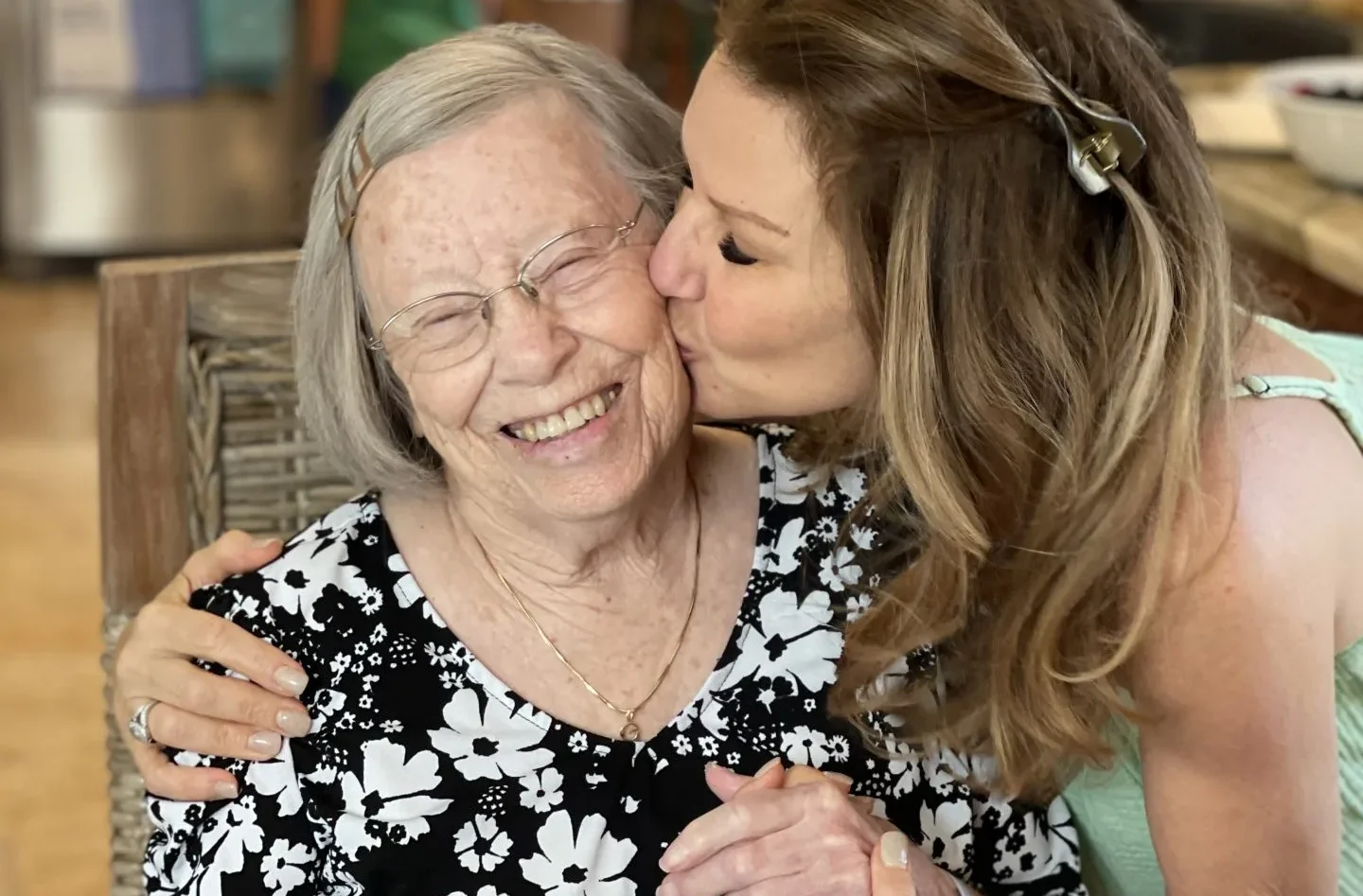
Published on November 24, 2025 • NeuralCare
One of the hardest parts of dementia care is knowing how to structure the day when the brain can no longer do it on its own.
When my mother was healthy, one of her quiet talents was making people feel at home. In her eulogy, my husband described it as one of her magic tricks. Family holidays, birthdays, and ordinary Sundays all felt effortless in her presence. Food appeared in courses, conversations flowed, and somehow everyone felt seen.
I did not fully understand how much skill that took until her world began to shrink.
Before dementia, she was defined by what she created. My mother, Gloria, was a maker. She quilted. She sewed wedding dresses, prom dresses, Halloween costumes, and curtains for generations of our family. She loved American history, Civil War novels, word games and jigsaw puzzles, poetry, long walks, and the Reader’s Digest vocabulary column, It Pays to Increase Your Word Power, where she delighted in acing the quiz each month. She came from humble beginnings and took genuine pleasure in simple things.
Vascular dementia slowly took away her executive function. Planning meals became difficult. Then feeding herself. Then finishing a thought. She lost weight. Her personality changed.
Left on her own, she tried to invent ways to fill the day. She sorted jars of buttons with no real system and grew frustrated. She weeded the garden, putting herself at risk of falling. She walked the neighborhood and locked herself out twice. She made lists of home repairs for my father, who had already passed away.
After trying to care for her ourselves, and then trying a memory care facility that was not the right fit, we moved her into a small condominium with round-the-clock caregivers and daily visits from her daughters.
And then we faced a new question.
Now what?
Her days were suddenly long. Very long. And empty time is not kind to a brain that can no longer organize itself.
Why routines matter in dementia care and Alzheimer’s
People often talk about routines as a way to manage logistics. In dementia care, routines do something much deeper.
They create safety.
As dementia progresses, the brain loses its ability to plan, sequence, and make sense of what comes next. That uncertainty is frightening, even if the person cannot explain why. Predictability reduces that fear. Knowing what happens after breakfast, after a walk, after lunch, after dinner allows the nervous system to settle.
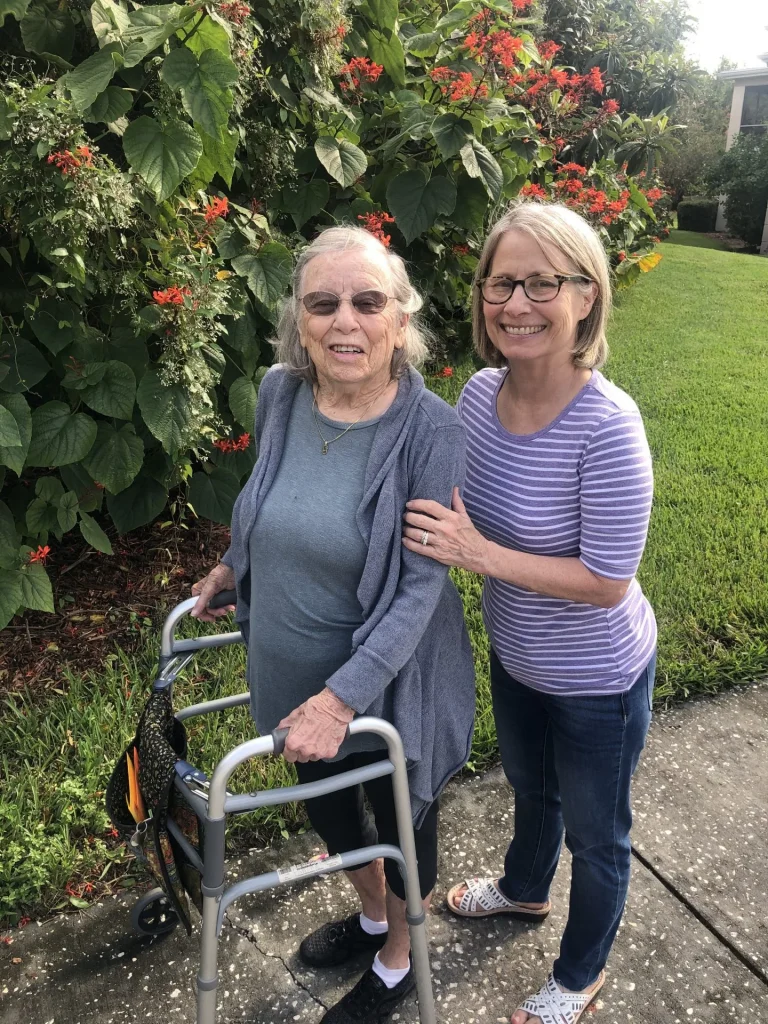
I saw this firsthand with my mother. Once her days became predictable, her agitation faded. Not overnight, but steadily. It reminded me of young children. They thrive when they know what to expect. When the schedule is familiar, their energy goes into living, not worrying.
There is also growing research showing that the brain is wired to seek safety and pattern. Trauma often forms when something overwhelming and unexpected occurs. Routine does the opposite. It gently tells the brain that the world is still understandable.
Dementia is not an ideal ending to life. But structure allowed my mother to have good days. Meaningful days. Calm days.
Over and over again.
Designing routines around the person, not the diagnosis
A schedule only works when it reflects who the person has always been.
We did not create a routine for “a dementia patient.” We created one for Gloria.
She had always loved language, music, prayer, nature, and order. So her routine included all of those things, adapted to what she could still do.
Examples:
- Folding towels instead of complex sewing projects
- Helping stir batter instead of planning meals
- Walking short, familiar routes with her walker instead of long neighborhood walks
- Listening to poetry and familiar songs instead of reading novels
We also learned to remove unnecessary choices. Asking “What would you like to do?” often caused anxiety. Instead, caregivers gently introduced activities.
- Let’s look at photos.
- Let’s water the plants.
- Let’s listen to music.
Less decision-making meant less stress.
Building a daily rhythm: What actually works day to day
While every family’s schedule will look different, most successful routines include the same core building blocks.
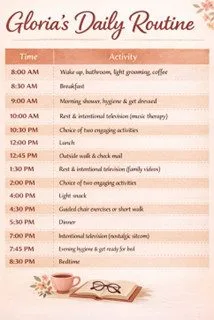
A predictable morning sequence
– Waking at the same time
– Bathroom and hygiene
– Medications
– Breakfast
– Getting dressed
– Light activity
These anchors help signal to the brain that the day has begun.
Engaging Activities (Purposeful Daytime Tasks)
Not busywork, but simple, engaging tasks that match abilities and past interests.
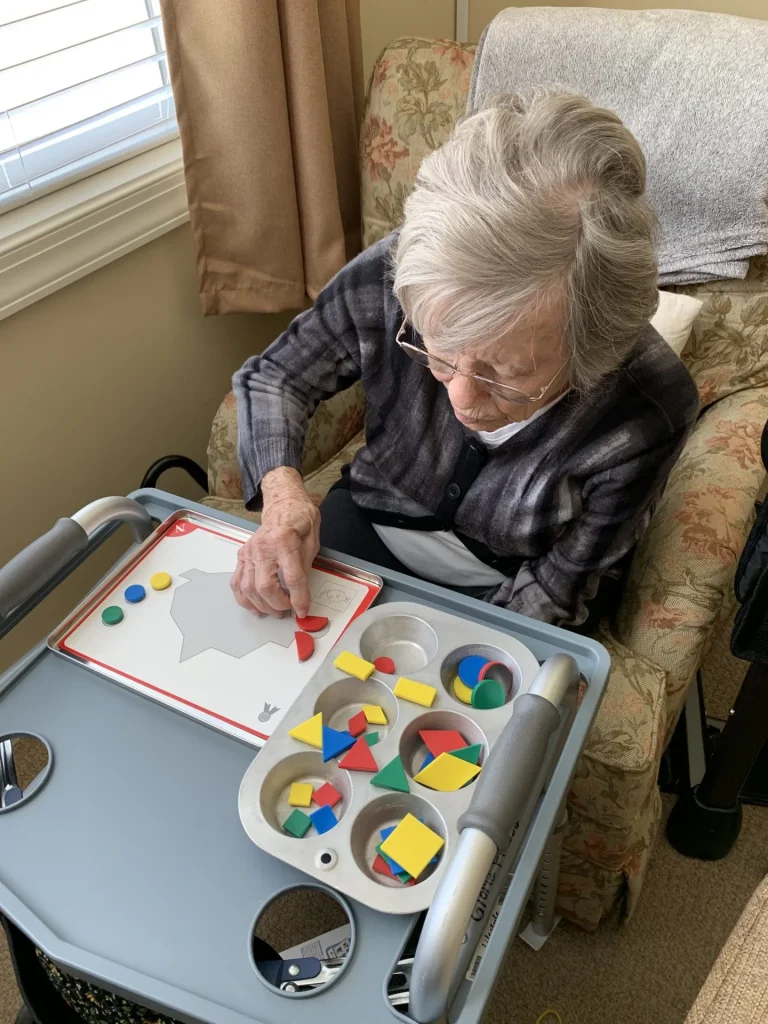
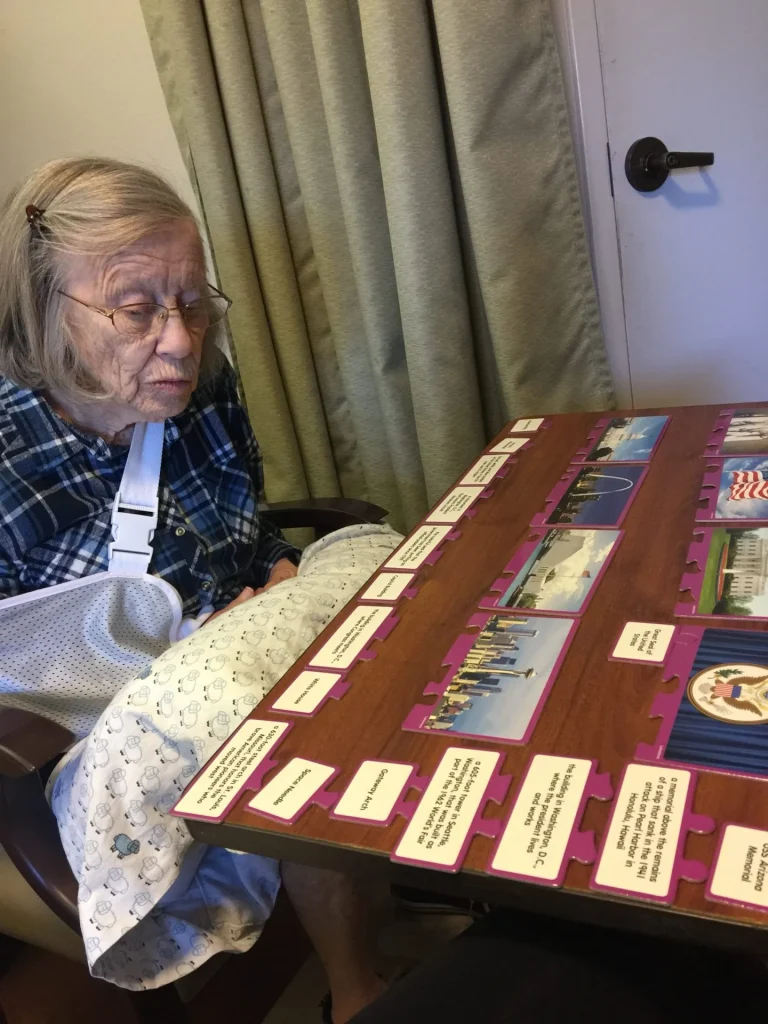
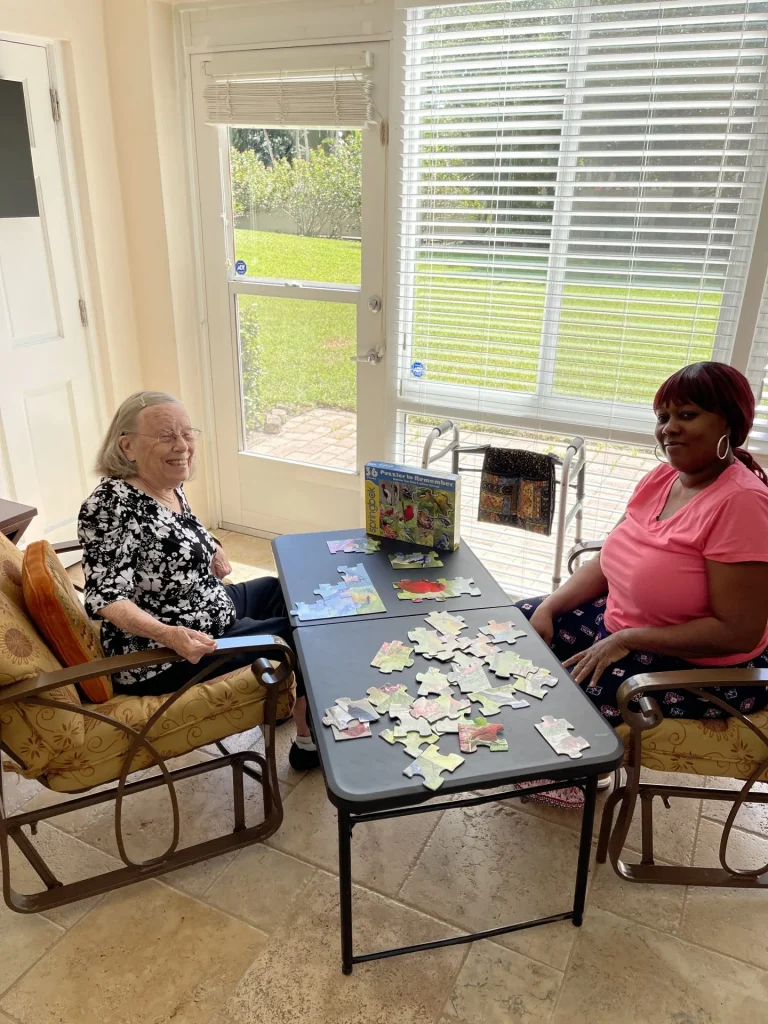
In my mother’s schedule, we intentionally set aside daily time for what we called Engaging Activities. These were not meant to simply fill hours. They were designed to give her purpose, familiarity, and quiet accomplishment.
Many of the materials came from teacher supply stores and online shops that specialize in dementia-friendly resources. Over time, we realized she was functioning at about a second-grade level, which helped us choose activities that were neither frustrating nor demeaning.
Language and cognitive activities
- Vocabulary and word games
- Simple grammar activities
- American presidents games
- Conversation prompts, including topics like World War II and American history
- Verbally filling in the blanks of nursery rhymes she once shared with her children and grandchildren
Fine and gross motor activities
- Sorting games and matching cards
- Tangram puzzles
- Thera-putty for motor skill development
- Puzzles designed for cognitive impairment
Familiar and purposeful tasks
- Folding laundry
- Organizing her sewing kit box, naming the items, and describing how each was used
Faith-based activities
- Saying the rosary
These activities gave her hands something to do and her mind something gentle to hold onto. They also reduced restlessness and the urge to wander or invent unsafe tasks.
Over time, I began to notice that logic and reasoning mattered less, while music, prayer, rhythm, and emotional tone mattered more. She might forget what day it was, but she could still sing every word to a familiar song or move her lips along with the rosary. So we leaned into that. We chose activities her brain could still receive.
Meals at consistent times
Food is more than nutrition. It is a signal to the body that time is moving forward in familiar ways.
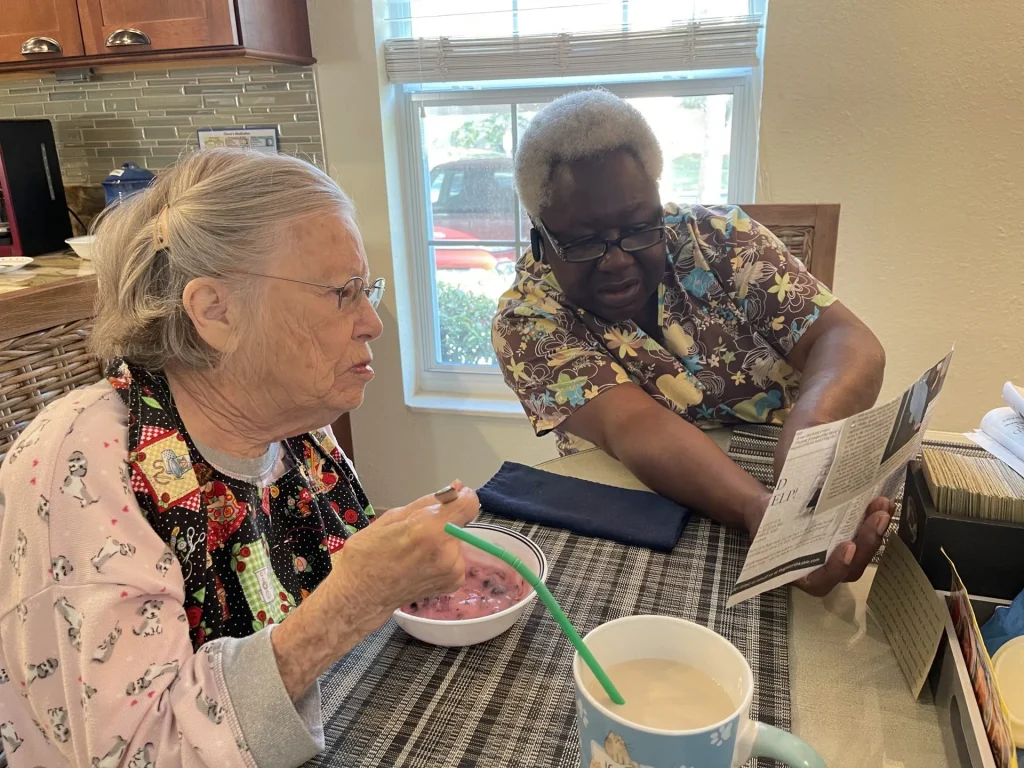
We asked caregivers to sit with her and eat alongside her, rather than preparing her plate and stepping away. Sharing meals kept her engaged, slowed her pace, and turned eating into a social moment instead of a task. It was also a natural time to share the day’s quote, something she had always loved, or to read sections of the newspaper aloud, just as she had done every morning for years.
A calming evening routine
- Lower lighting
- Quiet television or music
- Repeating the same steps before bed
- Reducing stimulation as the day ends
The power of intentional television in dementia care
Many families rely on television to fill time. We were careful about this.
Fast-paced shows, loud arguments, complicated plots, and violent scenes often increased confusion and distress. Instead, we chose programs my mother would have watched herself.
Examples included:
- Nature documentaries
- Old travel programs
- Familiar game shows
- Quiet cooking shows
- Soft music programs
- Old sitcoms that were easy to follow and evoked nostalgia
To make this easier and consistent for caregivers, I created a private YouTube channel just for her. It included family videos, playlists of her favorite songs with the lyrics on screen so she could sing along, and episodes of shows she recognized and enjoyed. I also kept a written list of programs she connected with most, so anyone stepping in to care for her knew exactly what to play.
Television became part of the routine, not background noise:
- The same time of day
- The same types of programs
- The same volume
This intentional use of television helped orient her and never overwhelmed her. It also created natural moments of rest. As dementia progressed and her need for sleep increased, she could nap peacefully with familiar, gentle sounds in the background. At the same time, it gave caregivers calm, predictable windows to fold laundry, clean the kitchen, or prepare meals without leaving her unsettled. Most importantly, it was never used as a substitute for human connection.
What routines gave us
I am not sure anyone would choose this path. But I am proud of what we created for her.
Her life was smaller, yes. But it was gentle. It was safe. It was familiar.
She knew what came next.
And because of that, she was at peace.
Routines did not cure dementia. They did something quieter.
They removed fear.
Final thoughts: Starting small, creating stability
If you are caring for someone with dementia, start small.
- Choose one part of the day and make it predictable.
- Then another.
Over time, those pieces become a rhythm.
And that rhythm becomes a form of care.If you’re navigating these routines and looking for supportive tools, Neural’s blend of AI assistance and caregiving coordination is designed to help families bring calm, clarity, and connection into the daily rhythm of dementia care.