
A Dementia Caregiver’s Story of Loving Through Alzheimer’s
A wife of forty nine years shares her honest and emotional journey caring for her husband through Alzheimer’s, and the…
Published on November 24, 2025 • NeuralCare
I Never Walked Out the Door Without Saying I Love You
by Marilyn
The First Signs
When I think back, I can still see it so clearly.
He would repeat himself. He would ask the same question again and again at dinner with friends. “So what’s new?” he would say with a smile. They would answer kindly, and a few minutes later he would ask again. At first, we all laughed it off. It felt like a small thing.
But inside, I knew something was not right.
The fear did not arrive all at once. It settled in slowly. I felt confused, unsettled, and then quietly terrified of what might be coming. Dementia does not knock loudly. It slips in. And once it is there, it changes everything.
I was his wife for forty-nine years. Suddenly, I was also his caregiver.
When Love Shifts
No one prepares you for how lonely caregiving can feel in the beginning. I remember thinking, surely there must be a guidebook somewhere. Surely someone is supposed to help me navigate this.
But most days it felt like I was expected to figure it out on my own.
Our routine became centered entirely around him. I would wake up before he did just to get breakfast ready. Once he was awake, he was ready to move, and the day belonged to his needs. Helping him shower sometimes meant bracing myself. There were moments when he would pinch my arms hard enough to leave marks. I still have the scars.
When I asked him why he hurt me, he would look at my arms and begin to cry. He was confused. Ashamed. Frightened. That was the disease. Not the man I had shared a lifetime with.
Understanding that did not remove the pain. It simply added another layer of heartbreak.
Trying to Hold On
We did everything we could to keep life meaningful. A memory center during the day. Aides to help at home. Car rides just to feel movement and fresh air. Painting, simple games, physical therapy to keep his body strong, speech therapy to hold onto words a little longer.
I wanted him to feel like himself for as long as possible.
Then Covid arrived, and the isolation deepened everything.
Our world became smaller. He napped in the afternoons. We ate dinner. We watched television. We went to bed. He spoke less and less. Some nights he would wake up and try to leave the house, so I placed alarms on the doors. I learned to sleep lightly, always listening for movement.
Caregiving does not stop when the lights go out. It follows you into the night.
Living in Fear and Love at the Same Time
One evening at a restaurant, I turned my back for only a few seconds. When I looked again, he was gone. I ran into the dark parking lot screaming his name. I remember the cold air in my lungs and the feeling that my heart might burst. Strangers helped me search. Someone found him wandering, confused, looking for our car.
In that moment, I understood how quickly everything could change.
Over time, I began to fade too. I was not sleeping. I was not eating the way I should. I was watching him every minute. The man who once led our family could no longer match shapes in therapy. He did not recognize simple objects. Eventually, he lost control of his body.
There is a specific kind of grief that comes with dementia. You are grieving someone who is still sitting in front of you. You are losing them slowly, piece by piece, and there is nothing you can do to stop it.
The Decision That Broke My Heart
When his anger and physical aggression became more frequent, I knew I could not keep him safe at home anymore. My children and I made the decision to move him into memory care.
I fought it with everything in me.
But I was exhausted. I was scared. And I knew I could not continue alone.
If you are facing that decision, please hear this from someone who has been there. Choosing memory care is not giving up. It is not a failure. Sometimes it is the most loving and protective act left.
Finding People Who Understand
The turning point for me was finding a caregiver support group. Sitting in a room with people who truly understood what I was living through lifted a weight I did not realize I was carrying. During Covid, we continued on Zoom. We shared stories, cried together, and sometimes even laughed.
For the first time, I did not feel so alone.
I also discovered help through the Veterans Department, but much later than I wish I had. They provided support with medications, equipment, and even twenty hours a week of aide time so I could leave the house. I often think about how different those early years might have felt if I had known about those resources sooner.
No one hands you a roadmap. You have to search for every piece of help yourself.
What I Want Other Caregivers to Know
If you are just beginning this journey, please find a support group. Ask for help earlier than you think you need it. Look into programs that keep your loved one engaged while giving you space to breathe.
And know this. The exhaustion you feel is real. The sorrow is real. The love is real. All of it can exist at the same time.
If something had existed to gently guide me through what to expect, to explain behaviors, to reassure me that I was not failing, to take even a small portion of the mental load off my shoulders, it would have made a difference. Not because I wanted to replace caregiving, but because I wanted to survive it.
You are not weak for needing support. You are human.
The Words That Never Changed
Through every stage of this disease, through the confusion and the anger and the quiet days when he barely spoke, there was one thing I never stopped doing. I never went to sleep, and I never walked out the door, without saying three words.
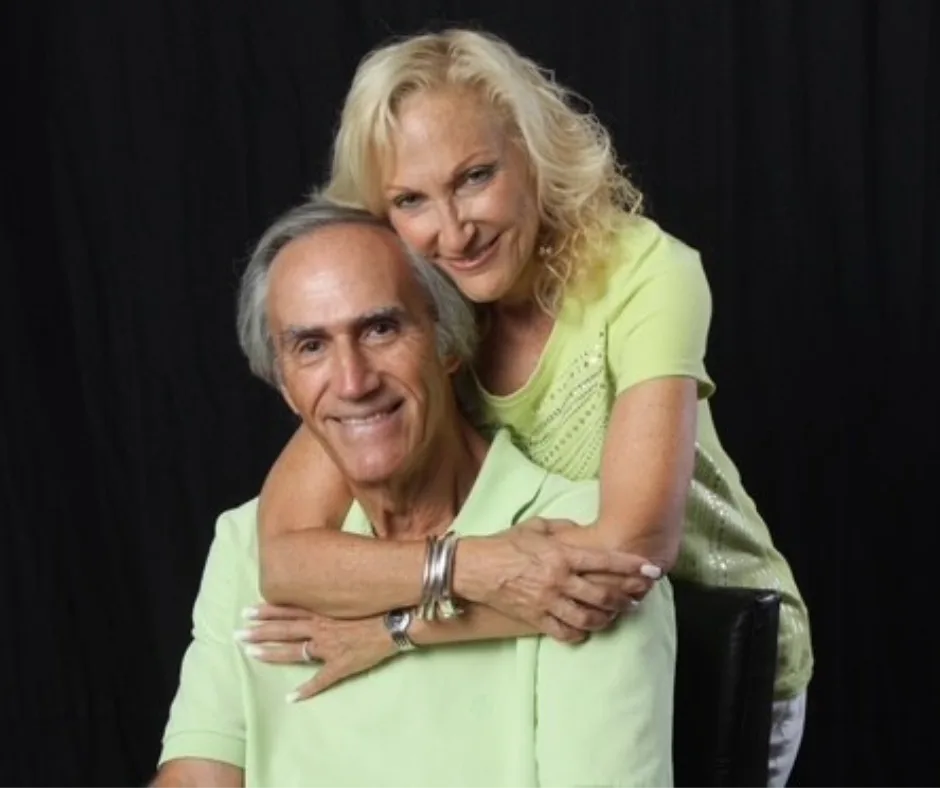
“I love you.”
Sometimes he would look at me and say it back clearly. Sometimes he would mumble something close. Sometimes there was no response at all. But I said it anyway. Not because I needed him to understand it perfectly, but because I needed him to feel it. And because I needed to say it.
Those words became my anchor. When everything else felt uncertain, when the man I married seemed to slip further away, those three words reminded me that the heart of who we were still existed somewhere beneath the disease.
Dementia takes so much. It takes memory, independence, conversation, shared jokes, and future plans. But it does not erase love. Love changes shape. It becomes quieter. It becomes heavier. It becomes something you carry instead of something you share equally. But it remains.
If you are walking this road right now, please hear me. The exhaustion you feel does not mean you love them less. The frustration does not cancel out your devotion. The moments when you want to cry in your car or lock yourself in the bathroom for five minutes of silence do not make you a bad caregiver.
They make you human.
I never stopped saying I love you. And if that is the only thing you feel steady enough to hold onto right now, let it be enough.
You are not alone in this.