
A Calmer Thanksgiving: Holiday Tips for Dementia Caregivers
The holidays can be hard when someone you love is living with dementia. A few small changes can make the day easier for both of you.
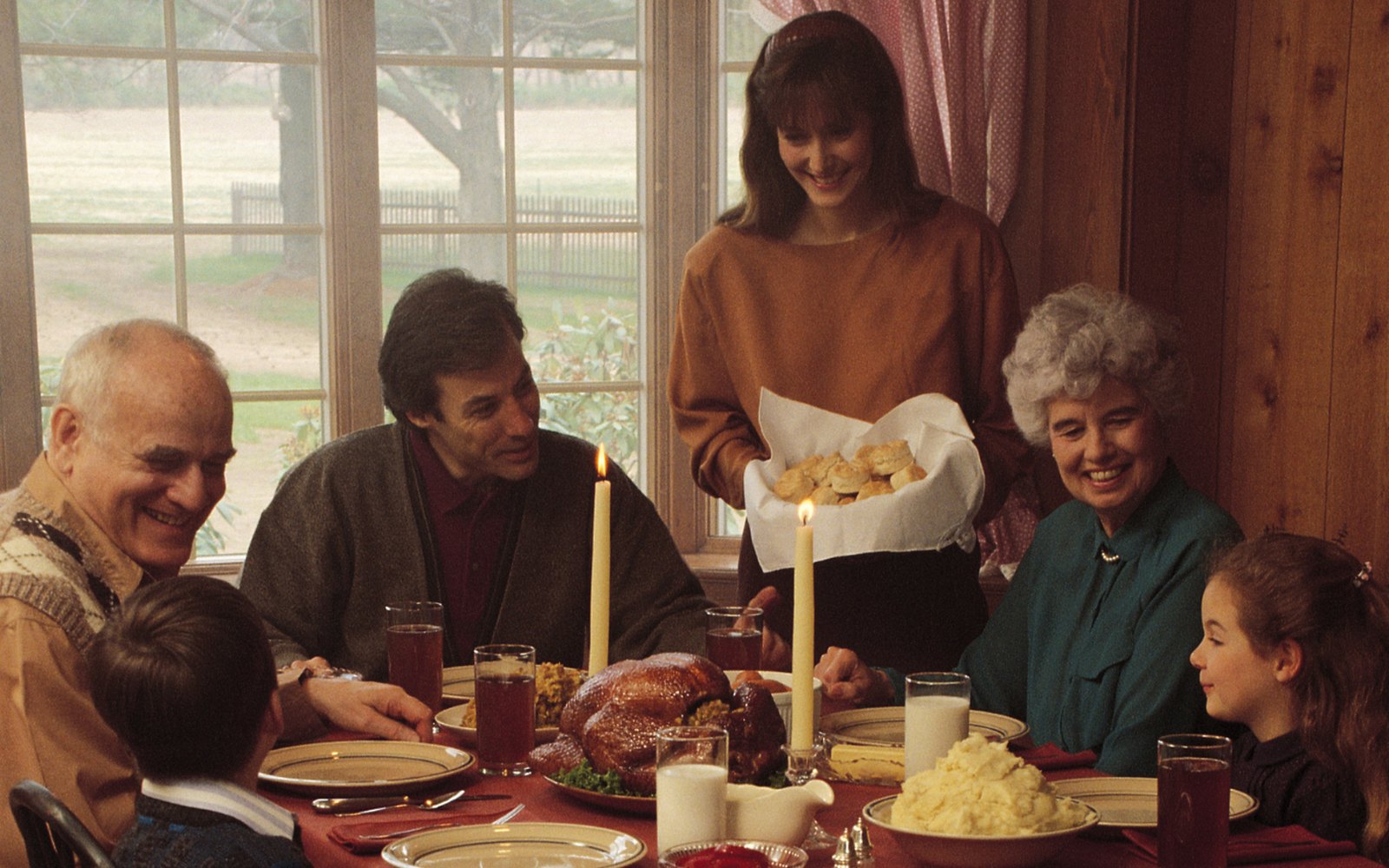
Published on November 25, 2026 • NeuralCare
It is the night before Thanksgiving. The turkey is thawing, the house is quiet, and you are already running through tomorrow in your head. Who is coming, and will they notice how much Dad has changed since last year? Will he know where he is when the house fills up? Will he get upset at the table the way he did at your niece's birthday? And somewhere in all of that, when are you supposed to actually enjoy the day?
If you are caring for someone living with dementia, holidays can feel less like a celebration and more like an event you have to manage. The noise, the crowd, the change in routine and the pressure to make everything feel the way it used to can be a lot for your loved one, and a lot for you. None of that means you are doing it wrong. It means the day needs to look a little different, and that is okay. Here are practical ways to make Thanksgiving calmer, whether you are hosting, visiting family, or spending a quiet day at home.
Decide What Matters Most
You do not have to keep every tradition this year. Pick the one or two that mean the most, maybe saying grace together, a favorite pie, or watching the parade, and let the rest go. A smaller day that goes well is a better gift than a big day that leaves everyone worn out. If that means store-bought rolls, paper plates, or a shorter guest list, that is a smart choice, not a failure.
Give Family a Heads Up Tonight
Relatives who have not visited in a while may be surprised by the changes they see, and surprise can come out as questions, corrections, or long explanations that confuse your loved one. A short text tonight can save a hard moment tomorrow. Let them know what has changed, what helps, and what to avoid. Something as simple as this works:
"Quick heads up before tomorrow. Mom's memory has changed quite a bit this year. She may not remember names or may repeat herself. Please don't correct or quiz her. Just say who you are, smile, and go along with the conversation. Short visits, one or two people at a time, help her most. Thank you for helping make it a good day for her."
While you are at it, ask one person to be your helper for the day. That might be someone who will sit with your loved one, take a short walk with them, or step in when you need a few minutes to breathe.
Plan the Day Around Their Best Hours
Think about when your loved one is usually at their best. For many people living with dementia, that is earlier in the day. If evenings tend to bring more confusion or restlessness, a midday meal may go much better than a late dinner. (If late afternoon is your hardest stretch, our post on sundowning and evening confusion has more ideas.) Keep as much of the usual routine as you can, including wake time, medications, meals, and rest. A familiar rhythm gives the day an anchor even when the house feels different.
Set Up a Quiet Space
Before guests arrive, choose a calm room your loved one can retreat to when things get loud. Add a comfortable chair, a favorite blanket, soft music they like, or a photo album to look through, and consider building in a rest before the meal. Stepping away is not missing the holiday. It is often what makes it possible to come back and enjoy part of it.
Give Them a Way to Be Part of It
Feeling useful can help someone feel included. Offer a simple, safe task they have enjoyed before, like folding napkins, setting out silverware, stirring a bowl, arranging rolls in a basket, or snapping green beans. Keep it to one step at a time and let it be good enough. The goal is not a perfect table. The goal is helping them feel like part of the day rather than someone everyone is working around.
Make the Table Easier
A long, busy meal can be overwhelming, but a few small changes can help a lot:
- Seat your loved one near you, at the end of the table or close to an easy exit, next to someone calm.
- Turn off the TV during the meal and keep music low so conversation is easier to follow.
- Serve a smaller plate with just a few foods, and offer simple choices like "turkey or ham?" instead of a full buffet.
- Consider nonalcoholic drinks, and check with their doctor or pharmacist if you are unsure how alcohol mixes with their medications.
- Keep rooms well lit, and clear walkways of bags, coats, and cords.
Meet Them Where They Are
Holidays stir up memories, and that can be confusing. Your loved one may ask about someone who has passed away, talk about a holiday from decades ago, or say they want to go home. Try responding to the feeling rather than the facts. If your dad asks where his mother is, you might say, "You're thinking about your mom. Tell me about her Thanksgiving dinners." Correcting him may bring fresh grief, while joining the memory can turn a hard moment into a warm one.
Those older memories can be a gift. In many types of dementia, the newest memories fade first, while memories from long ago often stay clear much longer. So instead of asking what they did this week, ask what Thanksgiving looked like when they were young, what dish their mother always made, or who carved the turkey. Let them be the one telling the stories only they can tell.
Have a Plan for You, Too
Caregivers often spend the whole holiday watching, managing, and smoothing things over, then go to bed feeling like they missed it. Before tomorrow, decide on one small thing that is just for you, whether that is a cup of coffee alone on the porch, a walk while your helper takes a shift, or a call with a friend who gets it. It is also okay to feel sad. You may be grieving the holidays you used to have while doing your best to make this one good. Both things can be true at the same time.
A Good Day Does Not Have to Be a Perfect Day
Something will probably not go as planned tomorrow. The meal may run late, a moment may get loud, or your loved one may need to leave the table early. That does not mean the day failed. If there was one smile, one shared bite of pie, or one quiet moment holding hands, that counts. Measure the day by those moments, not by how closely it matched the holidays you remember.
If you need to talk to someone during the holiday, the Alzheimer's Association Helpline is open 24 hours a day, 365 days a year, at 800.272.3900.